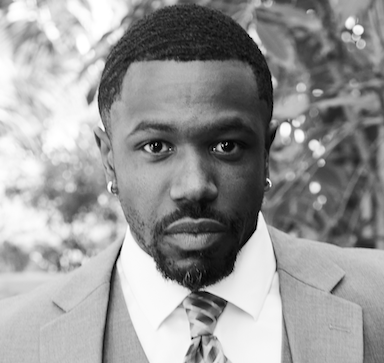
Julius Young — Founder & Editor-in-Chief, Vantage
The deal is the beginning of the obligation, not the end of it.
Five years ago, a college basketball player could not legally accept a free meal from a booster without jeopardizing their eligibility. Today, that same player might be running a seven-figure personal brand operation from their dorm room, with a management team, a legal advisor, and an endorsement portfolio that rivals some professional athletes.
The NIL economy is worth approximately $2.7 billion in 2026, with close to $1.9 billion flowing directly to athletes through brand deals, collective arrangements, and the revenue-sharing framework that emerged from the House v. NCAA antitrust settlement. The numbers are real. The opportunities are real. So is the pressure, and most of the people navigating it are twenty years old.
What NIL did was expose something the amateur model had kept politely invisible: college athletics was always a commercial enterprise. The stadiums, the television contracts, the merchandise, the apparel partnerships, the media rights, the March Madness bracket generating over a billion dollars in annual revenue. None of that is amateur. The athletes were the only participants who were not allowed to acknowledge it.
The correction was overdue. What nobody fully modeled was what it would look like when the correction arrived at scale, without infrastructure, without consistent legal guidance, and without a curriculum that taught eighteen-year-olds how to evaluate a contract.
The most sophisticated players in the 2026 NBA Draft entered the league with shoe deals already in place, brand identities already established, and endorsement narratives already written. AJ Dybantsa, the number one overall pick, came into the Washington Wizards with a Nike contract signed through his collegiate NIL deal, including a player-exclusive logo before he played a professional minute. That is a new kind of athlete, and it requires a new kind of thinking from the brands that want to reach them.
For the athletes who are not number one overall picks, the calculus is different and considerably more complicated. Roughly 84 percent of NIL money goes to football and men's basketball players. The athlete in a non-revenue sport, at a mid-major program, navigating the same contractual terrain with a fraction of the leverage and none of the infrastructure, is the story the NIL conversation tends to skip over.
What the industry is discovering, now that the initial gold rush has stabilized, is that an athlete's name, image, and likeness is only worth what they can consistently deliver as a brand partner. The deal is the beginning of the obligation, not the end of it. Content. Engagement. Authenticity. The things that make a college athlete valuable to a brand in the first place are also the things that disappear fastest when the athlete is overextended, mismanaged, or simply burned out by demands that have nothing to do with the sport they are actually there to play.
The brands that will win in the NIL economy are not the ones that sign the most athletes. They are the ones that understand the difference between a signature and a relationship, and build accordingly. The athletes who have figured this out earliest are building the same kind of equity-based enterprises that redefined celebrity commerce — treating their name not as a product to license but as a platform to own.