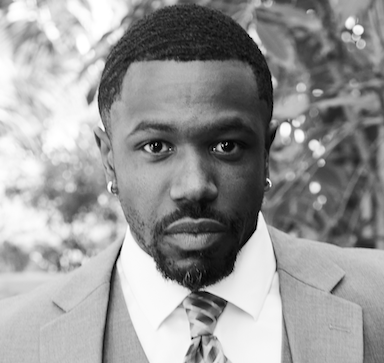
Julius Young — Founder & Editor-in-Chief, Vantage
When silence becomes a trend, it loses its function. The luxury market is fracturing in two directions at once.
For about a decade, the most powerful status signal in luxury fashion was the absence of one. No logo. No monogram. No immediately recognizable branding. Just fabric, cut, and the quiet confidence that the people who mattered would know.
Quiet luxury was always a form of class signaling, just a more exclusive one. The Hermes Birkin communicates status to everyone. The Loro Piana down jacket communicates it to a smaller room, and that was precisely the point.
In 2026, that dynamic is breaking in two directions at once, and both breaks are worth watching.
The first is fatigue. When silence becomes a trend, it loses its function. If everyone's feed is beige cashmere and perfect tailoring, the restraint stops being a signal and starts being a uniform. Morgan Stanley's luxury research team noted consumer fatigue with quiet luxury aesthetics in their most recent analysis of the personal luxury goods market, which is projected to grow just 2.5 percent this year, well below earlier estimates. The brands built on restraint are facing the same problem that logo-heavy brands faced a decade ago: saturation.
The second break is more interesting. What quiet luxury revealed, for consumers who committed to the philosophy rather than just the aesthetic, is that the quality has to justify the price. And frequently, at major heritage houses, it does not. The consumer who buys fewer, better things and expects those things to last is a fundamentally different buyer than the consumer who rotates through seasonal drops. They scrutinize. They research. They use resale data to audit price-to-quality ratios in ways that luxury PR departments have not historically had to manage.
Deloitte's Global Powers of Luxury report found that 70 percent of luxury executives expect to maintain or improve margins in 2026, which is a confident outlook for a sector navigating geopolitical headwinds, a K-shaped consumer economy, and structural weakness in China, where middle-income luxury spending has contracted significantly. The brands that are performing are the ones servicing the top of the K: high-net-worth consumers who are benefiting from asset gains and spending accordingly on travel, hospitality, and the kind of highly personalized, bespoke experiences that cannot be replicated at scale.
This is where the trajectory of luxury is actually pointing. Not toward logos and not toward invisible cashmere, but toward intimacy. Customization. Access that money alone cannot buy. The Deloitte data shows travel and hospitality leading all luxury categories in projected growth. The Birkin is still the Birkin, but the more interesting conversation in the industry is about what the experience around acquiring it looks like, who gets the call, and why.
The luxury goods market spent the last decade chasing aspiration. The next decade will be defined by the brands that can credibly offer something rarer than desire: the feeling of belonging to a room that most people will never enter. The economics of that transition are clearest in the resale market, where a $41 billion secondary economy is now growing four times faster than the primary one — and rewriting what ownership means in luxury.