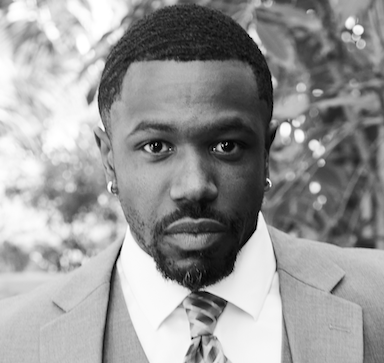
Julius Young — Founder & Editor-in-Chief, Vantage
Global luxury just shed 20 million customers. The market didn't shrink — it fractured. And the brands that don't understand the difference won't survive.
The Bain-Altagamma Luxury Goods Worldwide Market Study, released in late 2025, contained a number that should have gotten more attention: the global personal luxury goods market lost approximately 20 million active consumers over the previous two years. The market — worth an estimated €358 billion in 2025 — did not collapse. LVMH still reported revenues in the tens of billions. Hermès still had a waiting list for Birkins. The luxury industry is not in crisis.
The customers who left were aspirational buyers who stretched to participate in luxury. They left because prices made them leave. A Chanel Classic Flap bag that cost $5,200 in 2019 now costs over $10,000.
The ultra-wealthy now account for nearly half of all personal luxury goods spending, up from approximately 30% in 2019. The market has polarized between an upper tier of clients who are unaffected by price and a middle tier that has partially withdrawn.
Hermès, which has never chased volume and maintains deliberate scarcity through production limits and waitlists, posted consistent growth through conditions that pressured peers. The Birkin bag appreciated 500% in value over the past two decades — outperforming gold and the S&P 500. When the product is also an investment, the customer calculus changes entirely.
The luxury industry has always been in the business of desire management. What the last two years revealed is that the balance is harder to maintain than it looked during the post-pandemic boom. The 20 million customers who left were not rejecting luxury. They were responding rationally to a market that priced them out — and many of them found what they were looking for in a $41 billion resale market growing four times faster than the primary one. Meanwhile, the consumers who stayed are redefining what they want — and the answer is not a logo.